California Brain & Spine Center · Calabasas, CA
Advanced Functional Neurology & Spine Care in Calabasas, California
We diagnose and treat concussion, dizziness, dysautonomia, and chronic pain through personalized, non-invasive care — so you can return to daily life with more confidence.
Prefer to read first? Download the treatment overview (PDF)
- Board-certified (DACNB)
- No referral needed
- Complimentary consultation
Board-certified care
Dr. Chizari is a Diplomate of the American Chiropractic Neurology Board (DACNB).
120-minute assessment
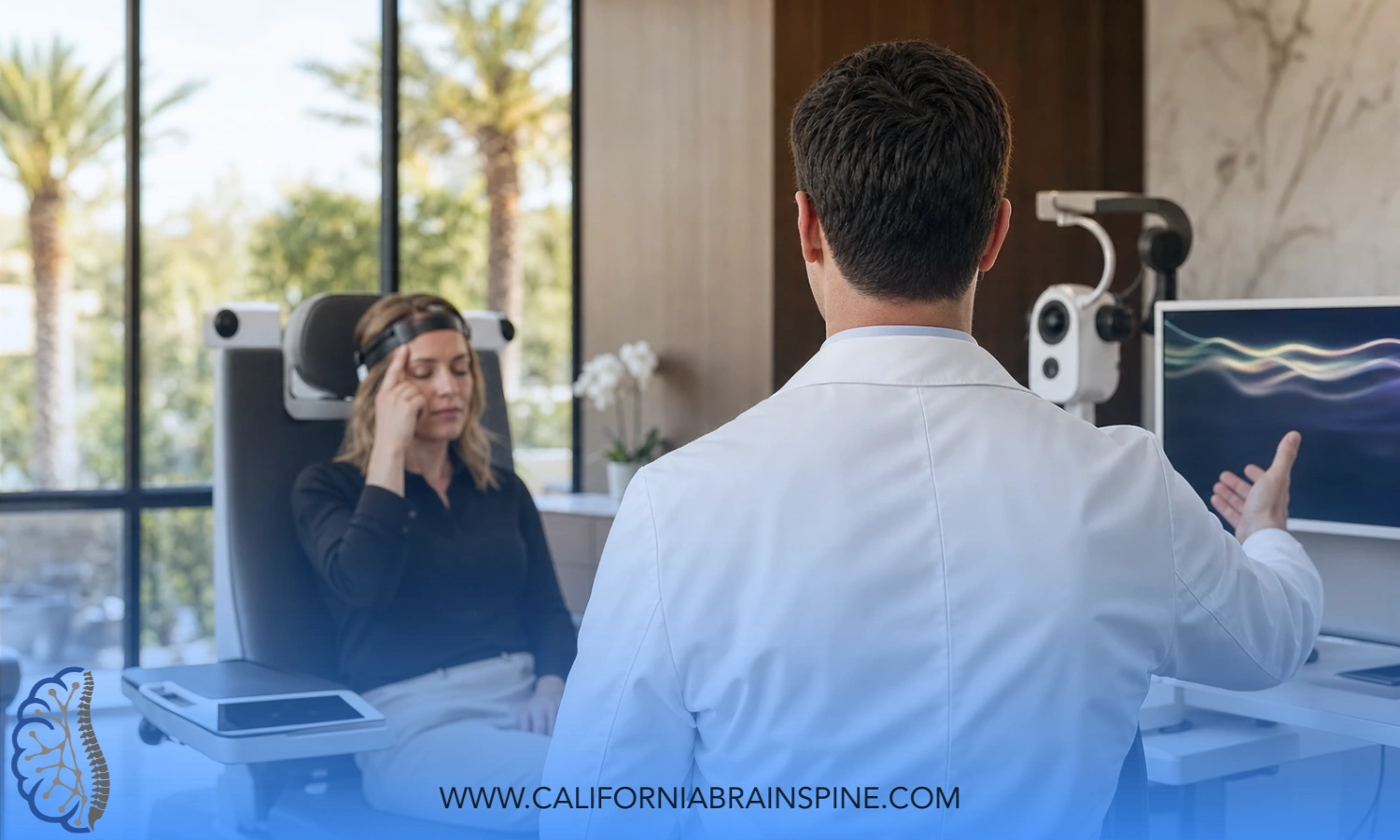
A detailed neurodiagnostic evaluation of your eyes, inner ears, balance and nervous system.
No referral needed
Start with a complimentary consultation at our Calabasas clinic.
Works with your doctors
We coordinate with primary care, ENT and medical neurology when needed.
Conditions we treat
Help for symptoms that haven't been explained
Many patients come to us after being told their tests are normal while daily life still isn’t. These are the conditions we evaluate and treat most often.
Concussion & Post-Concussion
Lingering headaches, brain fog, light sensitivity or dizziness after a head injury.
Dizziness & Vertigo
Spinning, rocking or unsteadiness that makes everyday tasks feel unsafe.
POTS & Dysautonomia
Racing heart, lightheadedness on standing, and fatigue linked to the autonomic nervous system.
Headaches & Migraines
Frequent or chronic head pain that disrupts work, sleep and focus.
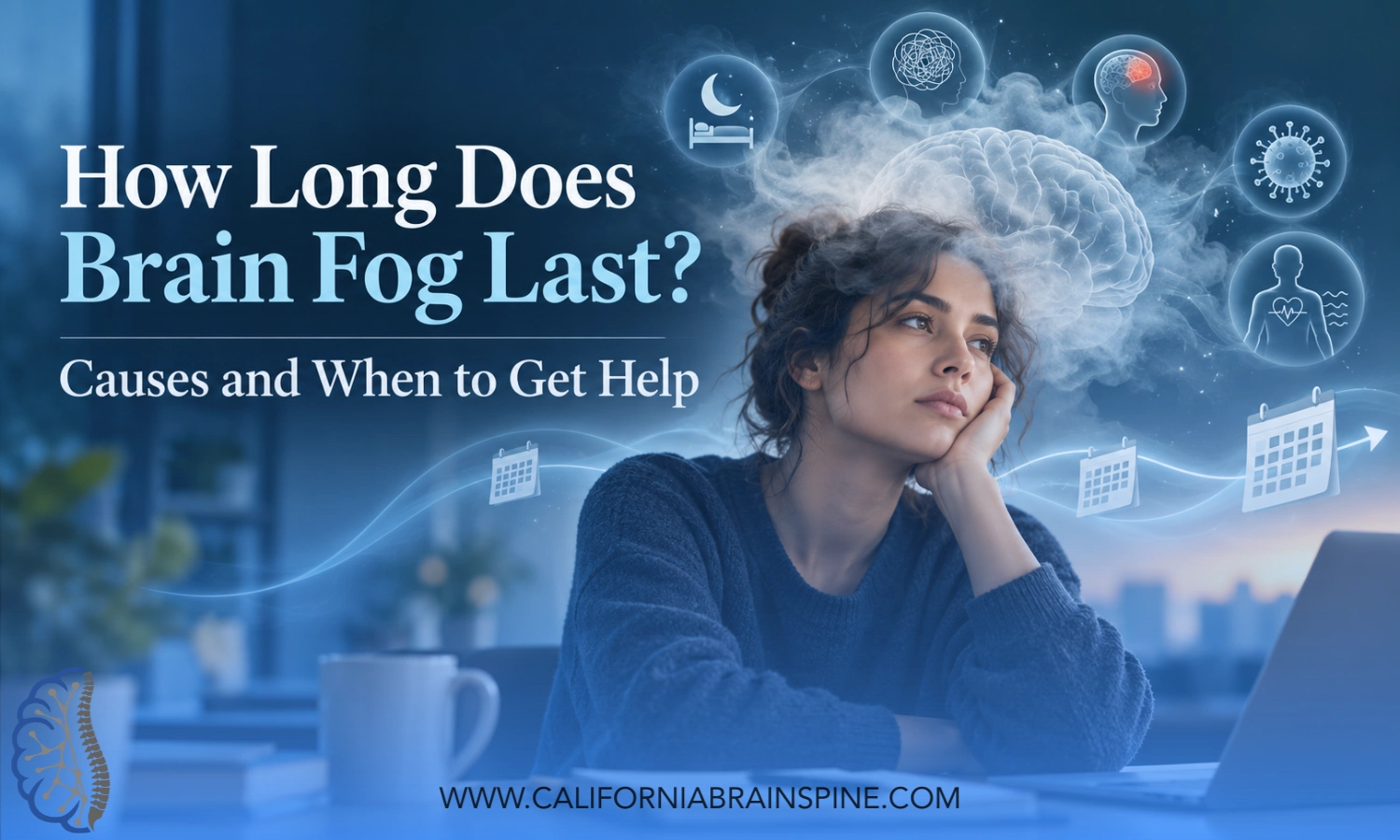
Brain Fog
Slow thinking, poor memory and mental fatigue after illness, injury or long COVID.
Balance Disorders
Unsteady walking, fear of falling, or trouble coping in busy environments.
ADHD & Focus
Attention, focus and organization difficulties in children and adults.
Chronic Neurological Pain
Persistent nerve pain, burning or tingling that hasn't settled with other care.

Meet your doctor
Experience Exceptional Care at California Brain & Spine Center
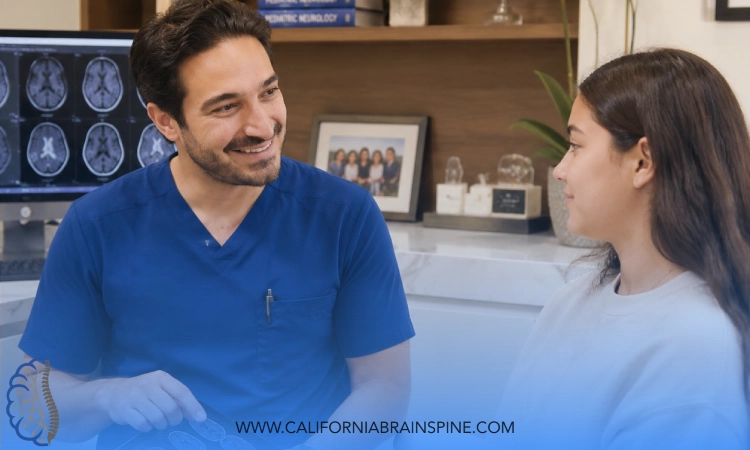
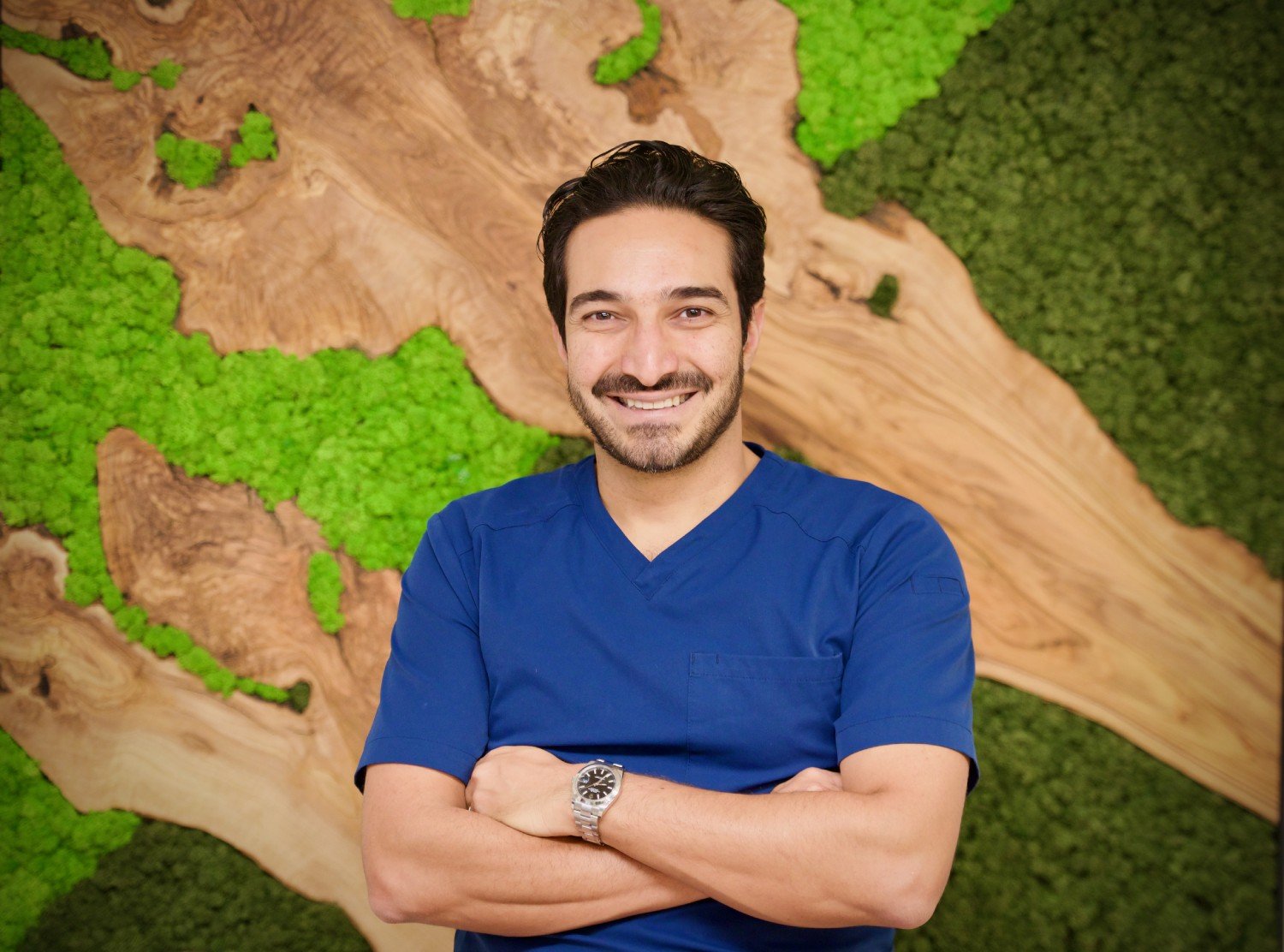
Dr. Alireza Chizari, DC, DACNB, leads every evaluation personally. His background spans Electrical Engineering, Gonstead chiropractic and postdoctoral Clinical Neuroscience, which shapes how he looks at complex cases: patterns, asymmetries and measurable change. Just as important, he takes the time to listen and explain every result in plain language.
- Doctor of Chiropractic, Life Chiropractic College West
- Diplomate, American Chiropractic Neurology Board (DACNB)
- Personalized, non-invasive care plans
- Coordinates with your medical team
Inside the clinic
Visit our Calabasas clinic
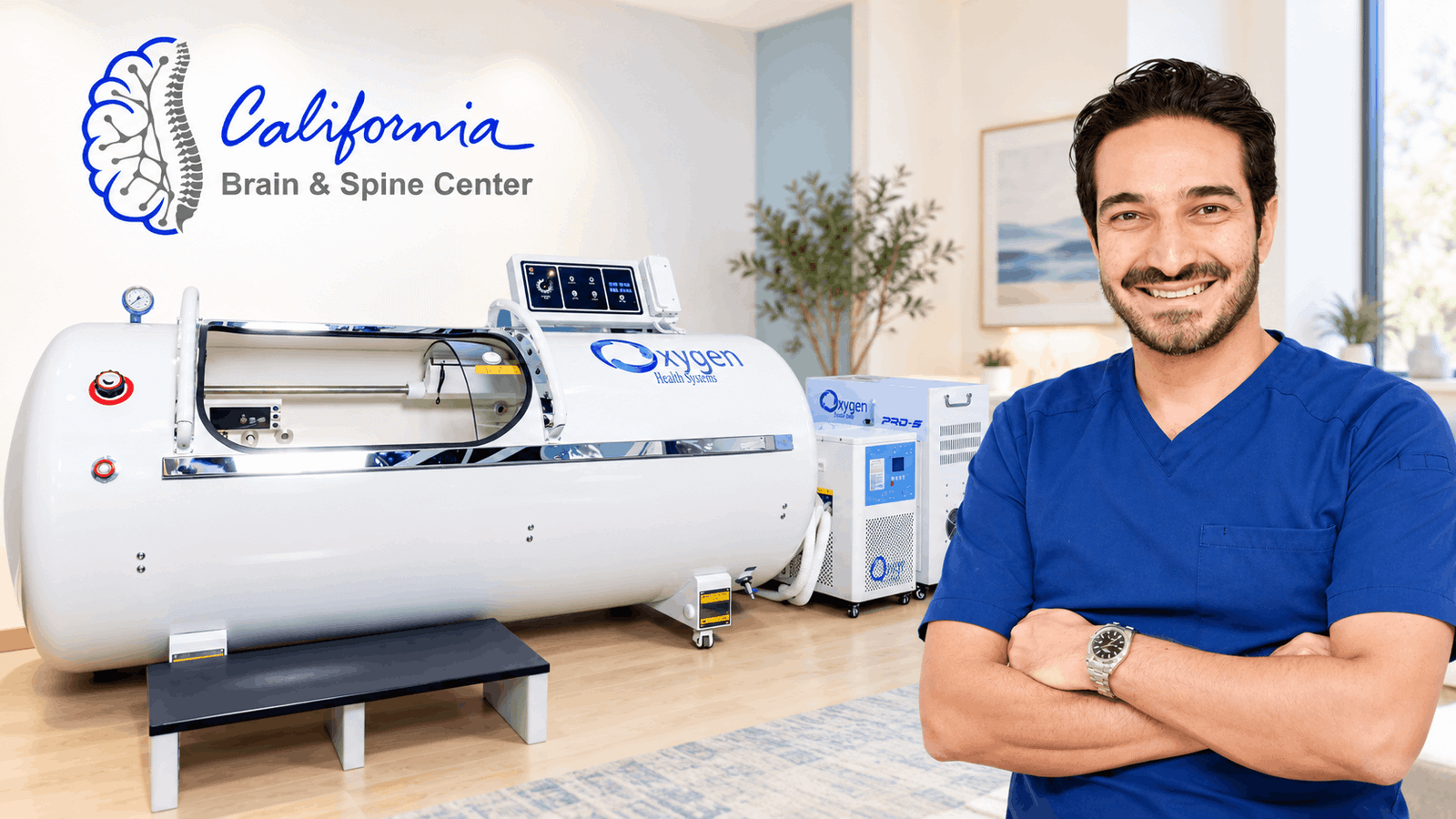
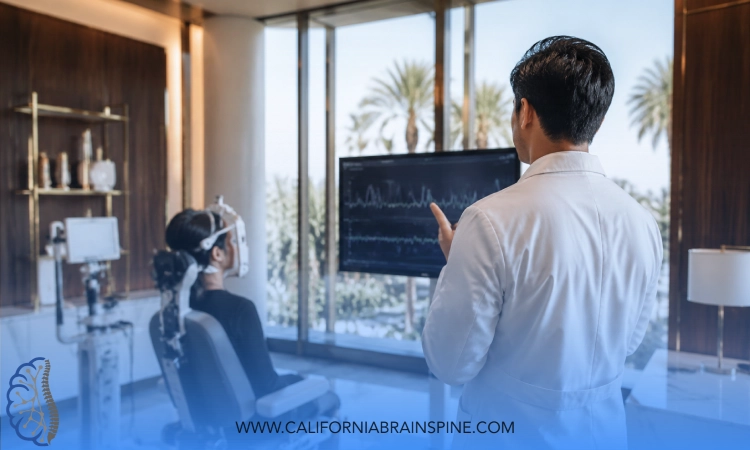
Neurodiagnostic testing, vestibular and cognitive rehabilitation, and therapies such as HBOT, PEMF and LLLT all happen in one place, so your evaluation and your care stay connected. Take a short look inside before your first visit.
Inside your assessment
How your brain, ears, eyes and body work together
Scroll to travel through the systems we test in your 120-minute neurodiagnostic assessment, or tap any part of the body.
01 · Your 120-minute assessment
One connected system
Dizziness, brain fog, headaches and fatigue rarely come from just one place. Your brain, inner ears, eyes, autonomic nervous system and spine work as one network, so that's how we test them.
Why it matters: two people with the same symptom can have very different causes.
02 · Brain
Concussion and brain fog
After a concussion or illness, the brain can struggle to process information efficiently, which can feel like slow thinking, poor focus or mental fatigue.
What we test: reaction, coordination and cognitive processing.
Brain fog treatment →03 · Inner ear
Your balance sensors
Three tiny fluid-filled canals in each inner ear sense every turn of your head. When one side sends the wrong signal, the result can be vertigo, rocking or unsteadiness.
What we test: how both inner ears respond to head and body movement.
Dizziness and vertigo →04 · Eyes
Keeping your vision steady
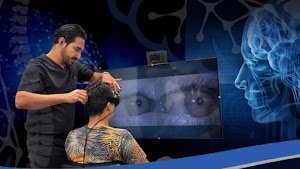
A fast reflex links your inner ears to your eye muscles so your vision stays steady when your head moves. When it's off, screens, driving and busy stores can trigger symptoms.
What we test: eye tracking and gaze stability while your head moves.
Vestibular rehabilitation →05 · Heart and vagus nerve
Heart rate, blood pressure and the vagus nerve
The vagus nerve connects the brainstem to the heart and other organs and helps regulate heart rate and blood pressure. In POTS and dysautonomia, this regulation can falter when you stand up.
What we test: how your body responds to changes in position.
POTS and dysautonomia →06 · Spine
The spinal cord and nerve pain
The spinal cord is the main highway between your brain and body. Persistent nerve pain, burning or tingling can involve how these signals are processed, not only the joints themselves.
What we test: sensation, reflexes and how pain signals are processed.
Chronic neurological pain →07 · Legs and feet
Balance starts in your feet
Nerves in your legs and feet constantly tell your brain where you are in space. Together with your inner ears and eyes, they keep you steady on your feet.
What we test: balance under different conditions, on different surfaces and with eyes open and closed.
Balance disorders →How it works
Navigating recovery, step by step
1. Complimentary consultation
A conversation about your symptoms, history and goals, so you know whether we're the right fit.
2. Comprehensive evaluation
A 120-minute neurodiagnostic assessment of how your eyes, inner ears, balance and nervous system work together.
3. Personalized plan
Your findings are explained in plain language and turned into a plan matched to your tolerance and goals.
4. Treatment & reassessment
Non-invasive therapies with regular retesting, so your plan adjusts as you progress.
Therapies
Non-invasive therapies under one roof
Your plan is built from your evaluation findings, never a one-size-fits-all protocol, and may combine:
Vestibular Rehabilitation
Balance, gaze stabilization and motion tolerance training for dizziness and unsteadiness.
Cognitive Rehabilitation
Attention, memory and processing work for brain fog and cognitive fatigue.
Hyperbaric Oxygen (HBOT)
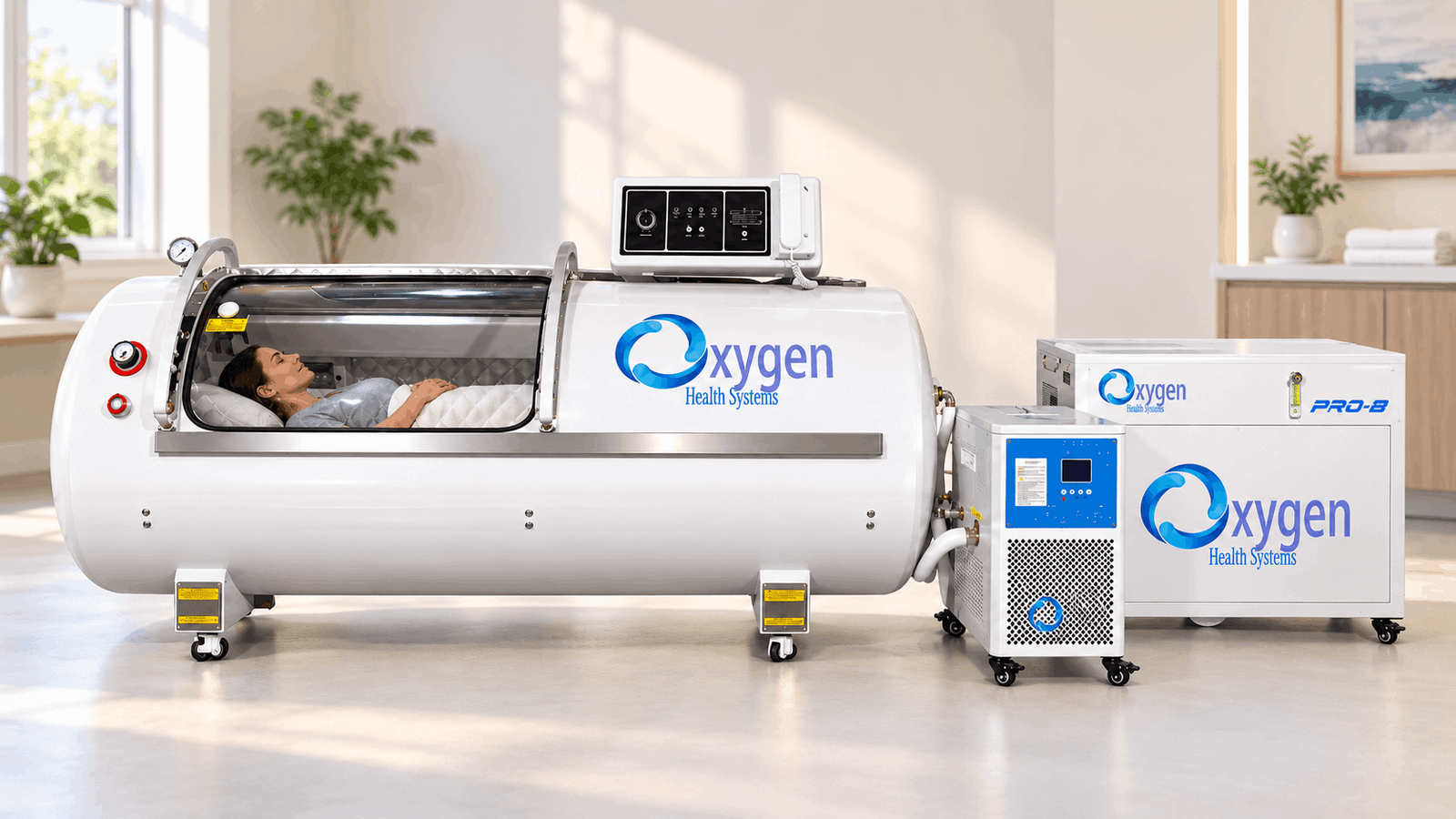
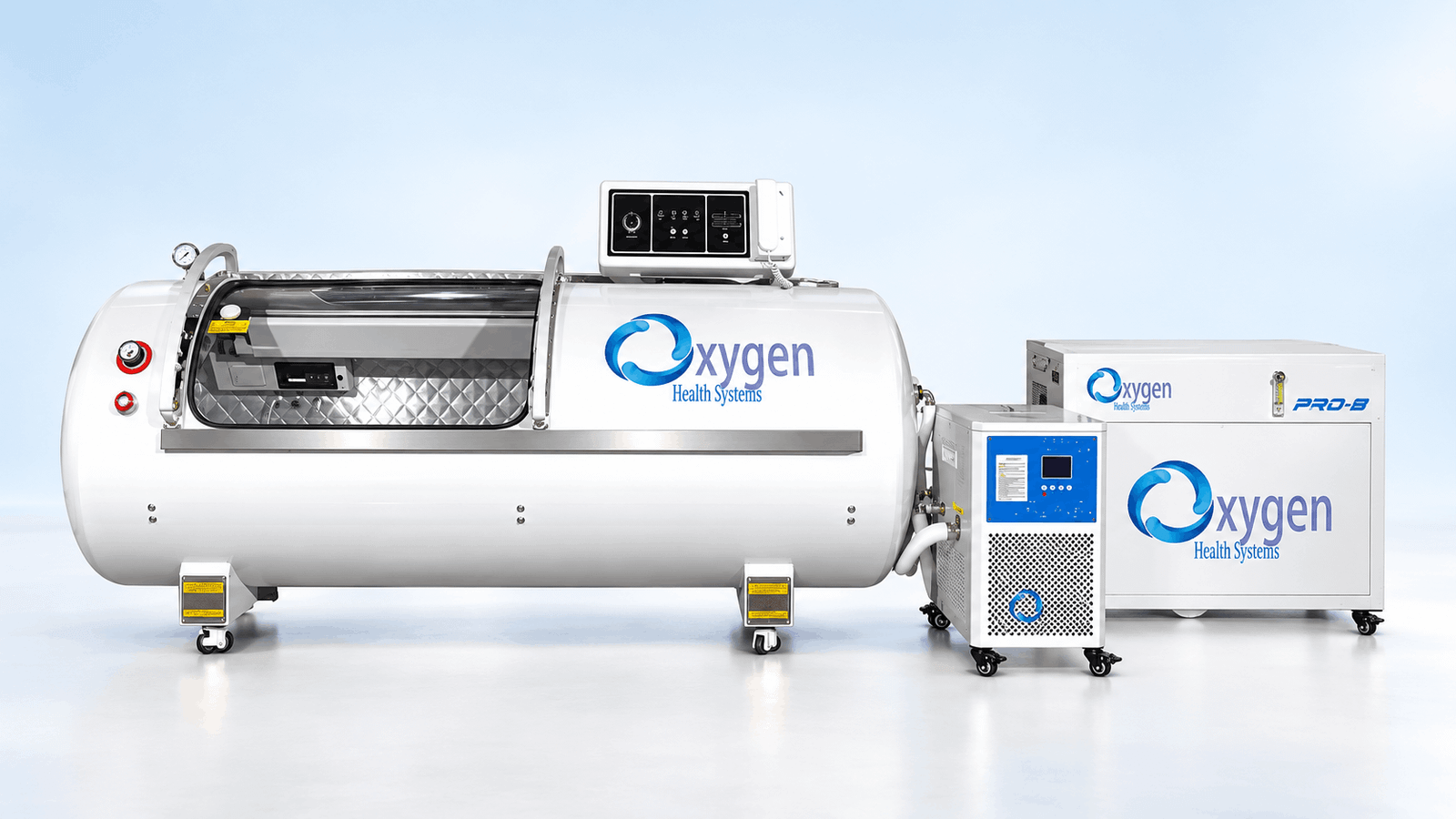
Hyperbaric oxygen therapy, used when clinically appropriate after evaluation.
PEMF Therapy
Pulsed electromagnetic field therapy as part of a broader plan.
Low-Level Laser (LLLT)
Low-level light therapy, selected based on your findings.
GammaCore
Non-invasive vagus nerve stimulation for appropriate patients.
Patient reviews
We see progress every day
Real reviews from our patients on Google.


FAQ
Common questions
Do I need a referral?
No. You can book a complimentary consultation directly, online or by calling (818) 649-5300.
What is functional neurology?
Functional neurology looks at how well different parts of the nervous system are working together, using detailed testing of eye movements, balance, coordination and autonomic function. Care is non-invasive and based on what that testing finds.
What happens at the first visit?
You start with a complimentary consultation. If we’re a good fit, the next step is a 120-minute neurodiagnostic assessment, and Dr. Chizari explains every result in plain language before recommending a plan.
Is care safe, and do you work with my other doctors?
Care is non-invasive and matched to your tolerance. We work alongside primary care, ENT and medical neurology, and any question about medication goes back to the clinician who prescribed it. Sudden or severe symptoms need emergency care first.
Where are you located and when are you open?
4768 Park Granada, Ste 107, Calabasas, CA 91302. We’re open Monday to Friday, 10 am to 6 pm, and closed on weekends. We see patients from Calabasas and across the 101 corridor, including Woodland Hills, Agoura Hills and Thousand Oaks.
Ready to find out what's behind your symptoms?
Book a complimentary consultation at our Calabasas clinic. No referral needed.
- 4768 Park Granada, Ste 107, Calabasas, CA 91302
- Mon – Fri: 10 am – 6 pm · Sat – Sun: Closed
- (818) 649-5300
- info@californiabrainspine.com
Serving Calabasas, Hidden Hills, Woodland Hills, West Hills, Agoura Hills, Westlake Village, Thousand Oaks, Malibu and greater Los Angeles.
From the blog